OCS ARCHIVE / PLACE / ANORI, MIE
Anori.
A place node tracing the working world of ama divers on the Shima Peninsula in 1972.
Ama work as local knowledge.
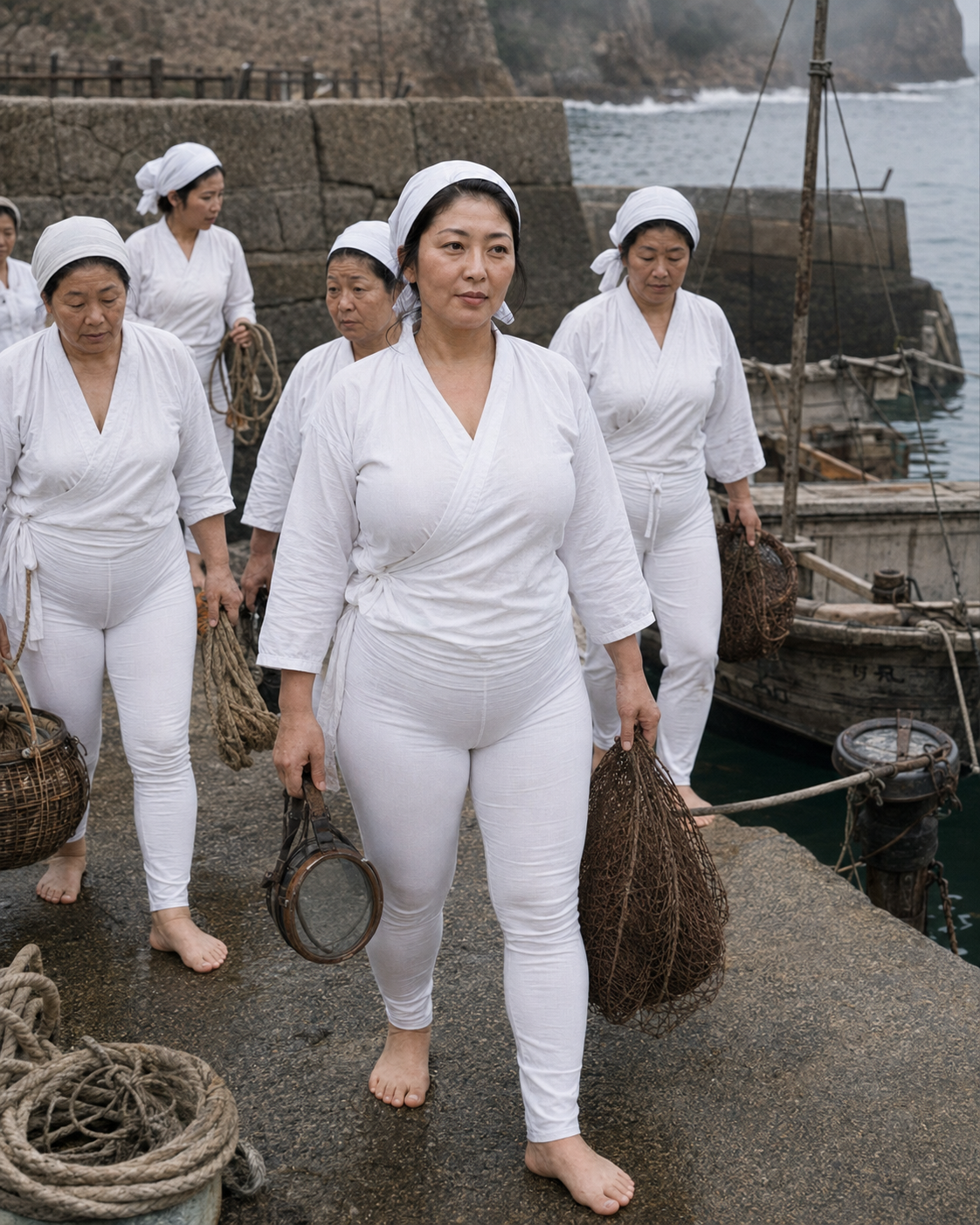
Official cultural materials from Mie Prefecture describe ama fishing in Toba and Shima as a body of folk knowledge: women free-diving without breathing apparatus, using specialized hand tools, working under community rules, managing marine resources and passing techniques through shared spaces such as ama huts. Anori is one of the districts associated with this regional culture.
OCS uses these records together with near-period sources, including Seiko Segawa’s 1970 study of ama culture, to narrow the historical frame for its 1972 reconstruction. The aim is not to treat all ama districts as identical. Regional evidence provides the context; details that cannot be tied to 1972 Anori remain uncertain or reconstructed.
A working route, not an archival photograph.
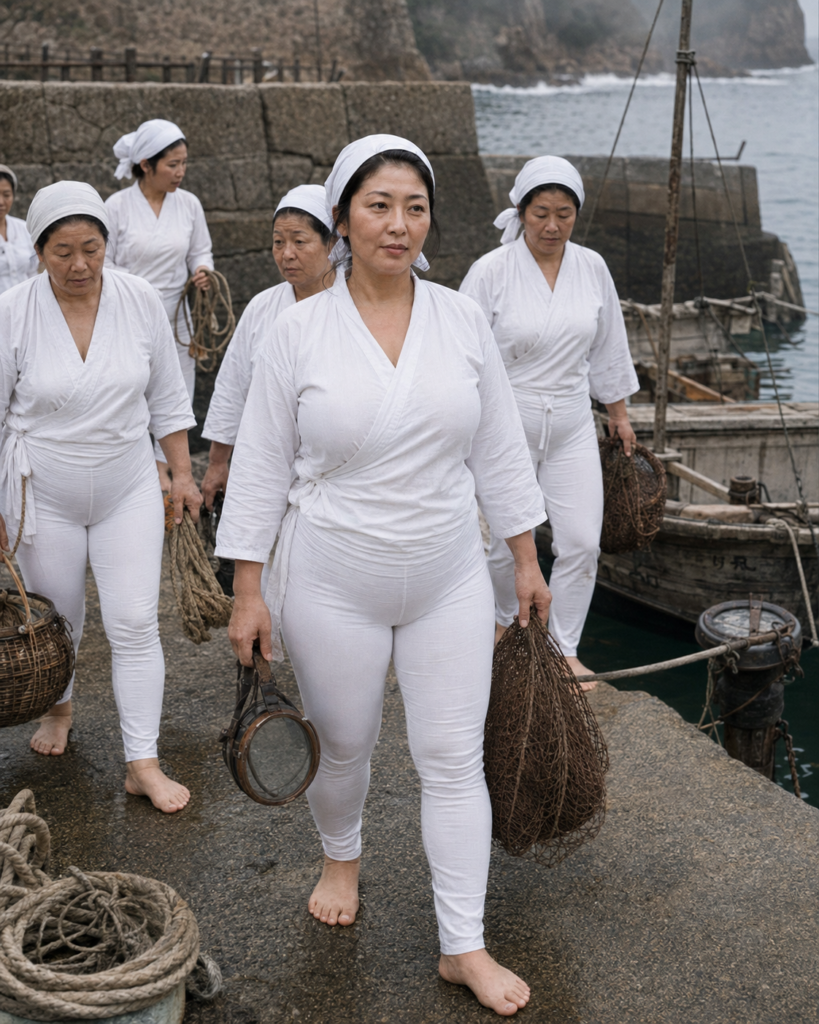
Shino Hamasaki EP01 reconstructs a route through the ama hut, harbor, communal boat, rocky fishing ground, ascent breath and return to warmth. The sequence moves from preparation and tool checking to diving, gathering, isobue and recovery. Shino is fictional, and the images are not photographs taken in Anori in 1972.
FACT covers supported cultural structures and working practices. RECONSTRUCTION / FICTION covers Shino, her expressions and poses, one exact hut or tool arrangement, sea conditions and camera positions.
Explore the connected archive.
1972 Japan · 1972 Anori Ama Hub · Ama hut · Iso-megane · Kaginomi · Isobue
Continue with Shino.
Meet Shino, enter EP01, watch the film or continue to OCS publications.
Sources.
- Mie Prefecture Board of Education — Techniques of Ama Fishing in Toba and Shima
- Mie Prefecture — Ama fishing as cultural heritage
- NDL Search — Seiko Segawa, Ama (1970)
Provenance: RECONSTRUCTED / VISUAL FICTION. The image is not a genuine photograph from 1972.
Why place matters.
Ama culture belongs to a wider Toba–Shima region, but work was lived through particular coasts, harbors, huts and community arrangements. Keeping Anori visible prevents the episode from becoming a generic image of “old Japan.” The place node gives each linked object and action a geographic frame while leaving unverified local detail open.